All Categories
Featured
Modern Tactics for Lower Your Acquisition Costs
Table of Contents
Today's shopping data sharpens tomorrow's acquisition technique, while top client data is used to inform retention efforts. Action: Usage multiple consumer lifecycle objectives at the same time to hit near-term revenue targets and fuel long-term development.
Its acquisition project to draw in new clients provided a return on ad spend (ROAS) 82% greater than target, while its retention project to reengage inactive, high-value clients achieved an astonishing 1,300% greater ROAS. This approach shows how activating information throughout the entire customer lifecycle can deliver outsized, intensifying results. The holiday season acts as a high-stakes stress test, but the strategies that win in December are the very same ones that need to drive growth in July.
As we move into 2026, the one-upmanship comes from the merchants who don't just reach customers but worth them and bid properly. The shopping information from your 2025 holiday rush offered the growth engine blueprint; now is the time to build.
Optimizing Digital Growth Performance Within US
Your bid technique is a vital lever for pay per click success, and the right bid type informs Google's AI precisely how to invest your budget plan to hit your particular company objectives. Bidding innovation has evolved quick, and adjusting to each shift can be a competitive benefit in 2026. Google Advertisements bidding has moved from handbook, keyword-by-keyword control to auction-time bidding that reads millions of real-time signals the moment a search takes place.
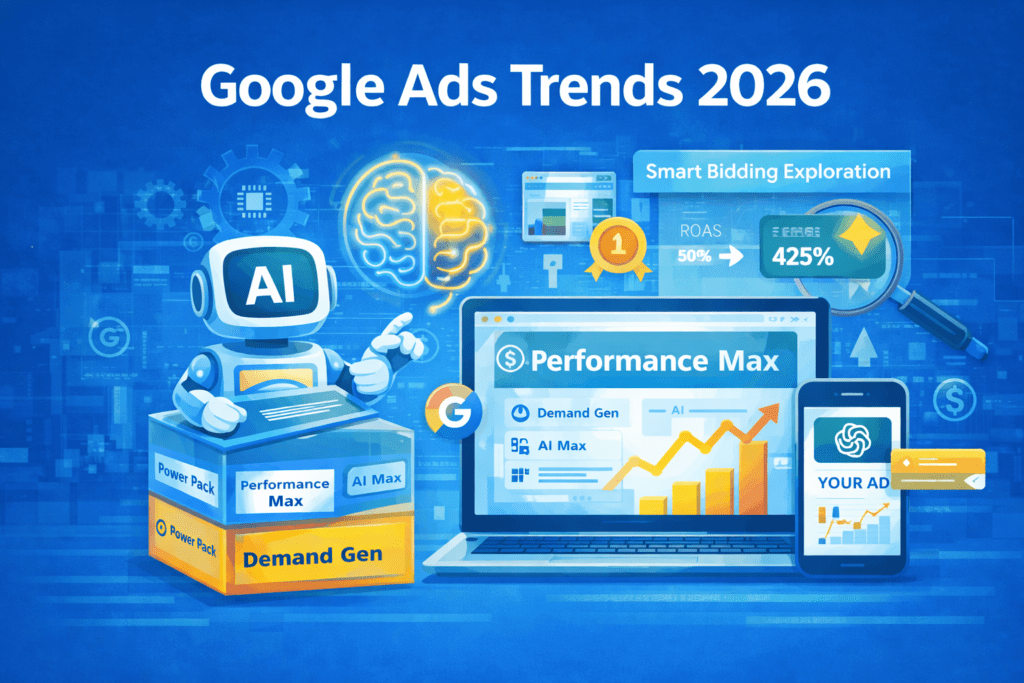
[target1:anchor_exact1]This guide breaks down every main bidding type, the updates you need to know, and when to utilize each one. If you have actually run Google Advertisements for several years, treat this as a refresher. If you're newer, it's the background that makes every technique below make good sense. Each time someone searches, Google runs an auction to decide which advertisements show, in what order, and whether they show at all.
The Advertisement Rank thresholds your advertisement has to clear to show at all. Google evaluates expected click-through rate, ad significance, and landing page experience for every auction.
Outspending your rivals doesn't secure leading spots. Since Advertisement Rank weighs auction-time quality signals along with your bid, a durable ad with a strong, pertinent landing page can win a greater position at a lower cost than a competitor bidding more. Your quote still brings real weight. It sets the ceiling on what a click can cost you and decides whether you're competitive enough to go into auctions for the positions you want.
Smart Bidding works by adjusting that quote in every auction to strike your goals. Smart Bidding uses Google's machine learning to set a quote in every individual auction, a function called auction-time bidding. Rather of one static bid per keyword, it adjusts the bid for that particular auction. For a full breakdown of how each Smart Bidding strategy works under the hood, Online search engine Journal has an extensive guide. One current change to know before you open your account: Beginning June 2026, Google relabeled these techniques so target CPA and target ROAS show as standalone options again, separated from optimize conversions and take full advantage of conversion value.
Proven Methods for Minimize Your CPA
The underlying bidding habits is identical, so absolutely nothing you have actually currently constructed breaks. Sets quotes to get you the most conversions within your day-to-day budget, investing the complete spending plan while doing so. Campaigns concentrated on volume when you do not yet have a particular cost or value target. Fixed-budget accounts that want a high volume of actions, like type fills or sign-ups, without strict expense limitations.
The Advertisement Rank thresholds your ad needs to clear to reveal at all. How competitive the auction is for that exact inquiry. The context of the search, consisting of area, gadget, time, and the inquiry itself. The expected effect of your properties like sitelinks and callouts. Google examines expected click-through rate, advertisement relevance, and landing page experience for every single auction.
Outspending your competitors doesn't secure top areas. Because Ad Rank weighs auction-time quality signals together with your quote, a durable ad with a strong, pertinent landing page can win a greater position at a lower expense than a rival bidding more. Your bid still carries real weight. It sets the ceiling on what a click can cost you and chooses whether you're competitive adequate to go into auctions for the positions you desire.
[target1:anchor_exact1]Advanced Paid Marketing Roadmaps to Scale During 2026
Smart Bidding works by changing that bid in every auction to hit your objectives. Smart Bidding uses Google's maker learning to set a bid in every specific auction, a function called auction-time bidding. Rather of one static bid per keyword, it adjusts the quote for that particular auction. For a complete breakdown of how each Smart Bidding method works under the hood, Online search engine Journal has an thorough guide. One current modification to know before you open your account: Starting June 2026, Google relabeled these methods so target CPA and target ROAS show as standalone choices again, separated from maximize conversions and maximize conversion value.
The underlying bidding behavior equals, so nothing you have actually currently constructed breaks. Sets quotes to get you the most conversions within your everyday budget plan, spending the full spending plan at the same time. Projects concentrated on volume when you do not yet have a specific expense or value target. Fixed-budget accounts that want a high volume of actions, like type fills or sign-ups, without rigorous expense limitations.

Latest Posts

Optimizing Paid Growth Performance Within United States

Proven Ways to Slash Search CPA

Leveraging Predictive Analytics for Better Search Ads Efficiency