All Categories
Featured

Improving Conversion Rates With Dynamic User Designs
Table of Contents
At least one landscape image (1200x628), one square image (1200x1200), one logo design (1200x1200), one brief heading (30 characters), one long headline (90 characters), and one description (90 characters). Supplying the optimum number of properties offers Google more combinations to test. Lead with your value proposition or deal, not your brand.
Use high-contrast, basic images that read well at small sizes. Include a clear call to action in your descriptions. Test multiple offer angles: complimentary shipping, discount codes, urgency messaging, social proof. Dynamic remarketing advertisements for ecommerce pull product images, titles, prices, and availability straight from your Merchant Center feed. The quality of your feed straight figures out the quality of your vibrant advertisements.
Titles should be detailed but not keyword-stuffed. Prices must be precise and current. If an item goes out of stock, your feed needs to show that instantly, otherwise you are serving advertisements for items users can not purchase. Dynamic remarketing paired with a properly maintained product feed is one of the most efficient methods to recuperate deserted carts.
Your remarketing imaginative should progress based upon for how long ago the user visited. This is your messaging cadence. Mild recall. "Still believing it over?" or merely showing the product they saw. No tough sell. Highlight benefits, reviews, or differentiators. Advise them why your item or service deserves selecting. Introduce time-limited offers, discount codes, or totally free shipping.
Executing this cadence requires multiple advertisement groups with different subscription durations and innovative sets. It takes effort to set up and maintain, however the performance difference is substantial compared to running the same advertisement to everyone for 30 days straight.
Advanced Paid Growth Roadmaps to Scale in 2026
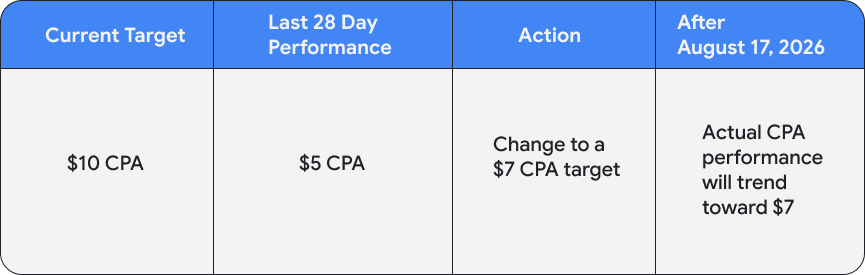
Set your target based on historic remarketing CPA, not your mixed account CPA, due to the fact that remarketing typically transforms at a lower expense. Set it based on your real remarketing ROAS, which must be greater than your prospecting ROAS considering that you are targeting warmer audiences.
Setting targets too aggressively from the start will limit shipment and prevent the campaign from acquiring traction. If your remarketing lists are too small to create 30 conversions monthly, Target certified public accountant and Target ROAS will struggle. In this scenario, use Take full advantage of Conversions (without a target) or even Manual CPC with improved CPC enabled.
It is less effective than target-based techniques, however it provides the algorithm versatility when information is limited. As your lists grow and conversion volume boosts, shift to target-based bidding. This development is something that requires continuous tracking, changing the bidding strategy as list sizes and conversion volumes alter week to week.
A user who was going to convert anyhow may have passively seen your screen ad in a sidebar. Counting that as a complete conversion overstates show's contribution.
The Future of Google Ads Playbooks to Win in 2026
Use them as a directional signal of display screen remarketing's influence, not as a hard performance metric. Reduce your view-through conversion window to 1 day (rather of the default 30) to minimize sound. Remarketing operates in a multi-touch environment. A user might click a remarketing ad, leave, come back through natural search, and then convert.
For remarketing specifically, consider whether a much shorter window (7 to 14 days) offers you a more precise picture of display screen's incremental effect. Use the Model Comparison tool in Google Ads to compare last-click attribution versus data-driven attribution. If remarketing projects look dramatically different under DDA, it suggests they are playing a help role instead of a last-click function, which is important but need to be represented in how you examine efficiency.
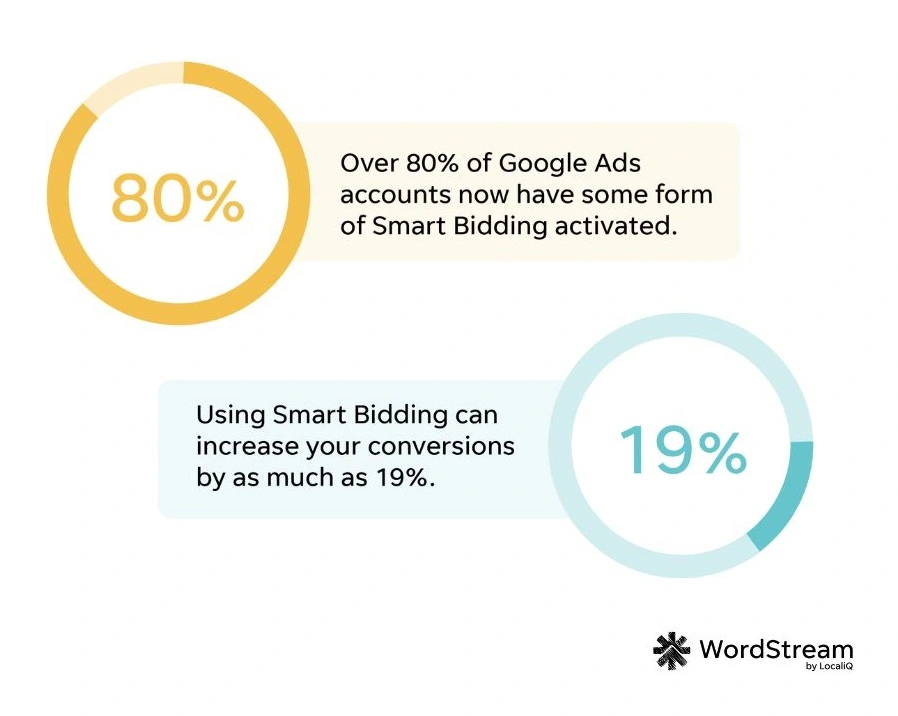
Remarketing is operationally requiring. Exemption lists require updating as brand-new conversions come in. A company might examine your remarketing projects during their weekly check-in.
[target2:anchor_exact1]This is precisely the type of work that benefits from 24/7 management. When AI agents monitor your projects continually and make real-time changes, the compounding effect on remarketing efficiency is substantial. groas approaches Display remarketing as a totally managed operation, not a set-it-and-forget-it strategy. When you onboard with groas, your devoted account manager conducts a total audit of your Google Ads account, including your remarketing setup, audience lists, creative properties, and attribution configuration.

Latest Posts

Optimizing Paid Growth Performance Within United States

Proven Ways to Slash Search CPA

Leveraging Predictive Analytics for Better Search Ads Efficiency